
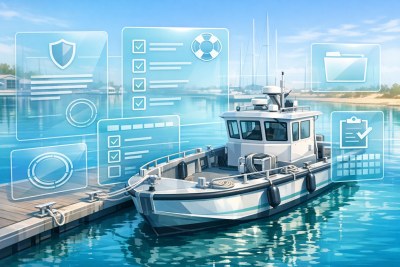


The Must-Have Safety Equipment for Australian Boaters
Boating is a beloved pastime in Australia, offering endless opportunities to explore the stunning coastline and sparkling waterways. However, enjoying your time on the water safely is paramount. Proper safety measures are essential to ensure that every boating activity is as enjoyable as it is secure. - read more

How Storage, Mooring and Trailering Can Affect Boat Insurance
Where your boat is kept, how it is secured and how it is transported can affect boat insurance cover, exclusions and claims. This guide explains common storage, mooring, trailering, navigation and lay-up conditions Australian boat owners should check before they rely on a policy. - read more

Understanding Boat Maintenance Schedules: A Seasonal Guide
Owning a boat comes with a wave of responsibilities, notably in the realm of maintenance. Regular maintenance plays a crucial role in ensuring the longevity and performance of your boat, much like adhering to a trusty roadmap for a long journey. Without it, not only may you encounter unwanted breakdowns, but the overall lifespan of your vessel could be significantly shortened. - read more

Essential Tips for Securing Your Boat Against Severe Aussie Weather
Australia's climate is a tapestry of extremes, with its beautiful coastlines often bearing the brunt of severe and capricious weather conditions. From unforgiving sun to sudden squalls, Aussie boat owners know all too well the challenges that Mother Nature can present. - read more

Navigating Risks: The Benefits of Marine Insurance for Small Boats
Owning a small boat in Australia is increasingly popular, with countless individuals flocking to the water for leisure and adventure. Whether it's for fishing, sailing, or simply exploring the coastlines, the joy of boat ownership is undeniable. - read more
No comments yet. Be the first to share your thoughts.